Engaging in the Conversation on Accessible Legal Systems for MSMEs
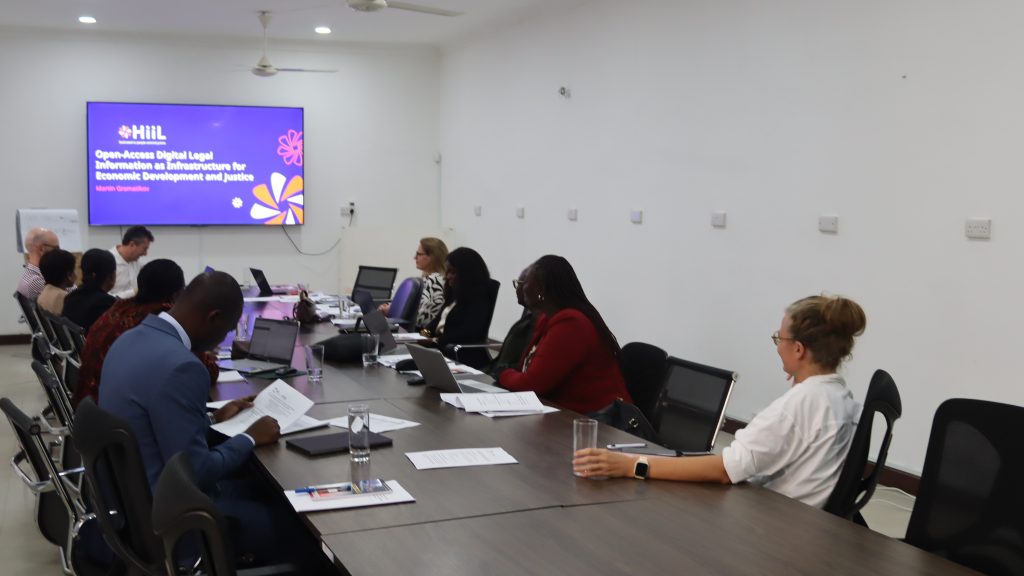
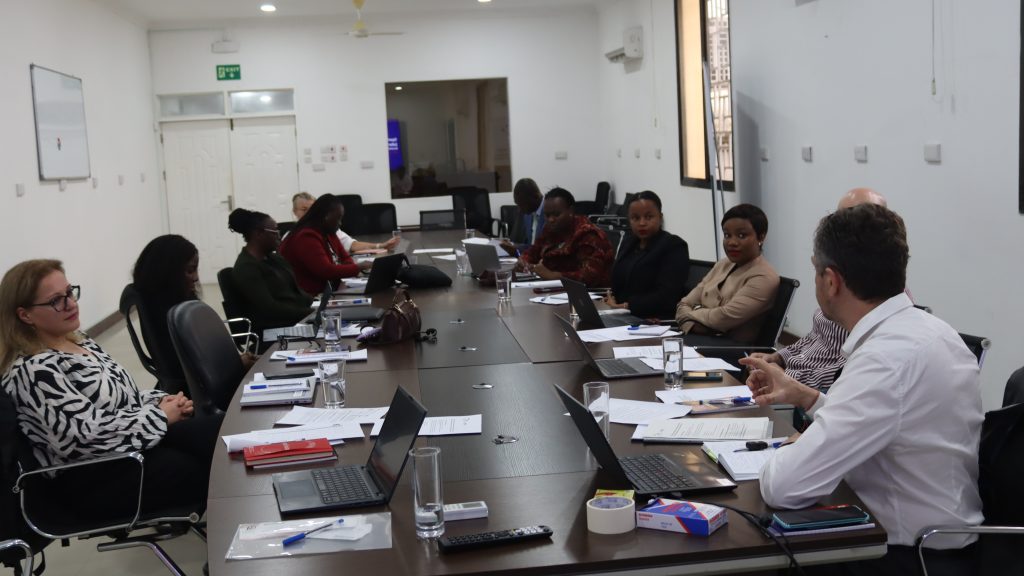
Sauti East Africa recently participated in a validation workshop in Dar es Salaam, convened by GIZ Tanzania and HiiL Justice, on the role of open-access digital legal information as infrastructure for economic development and access to justice.
The workshop brought together key stakeholders including the Tanzanian Judiciary, AfricanLII, TanzLII, Kenya Law, Tanzania Women Chamber of Commerce, legal practitioners, and private sector actors, to critically examine how legal information systems can better serve MSMEs, intermediaries, and the wider public.
Representing Sauti, Edith Aoko contributed insights from our work supporting MSMEs and underserved communities across East Africa. A key point of discussion was that access to legal information alone is not sufficient, it must be accessible, understandable, and actionable. This highlighted the need for multi-layered platforms that provide simplified, step-by-step guidance for MSMEs, while enabling intermediaries such as lawyers, trade associations, and chambers of commerce to offer more advanced support.
Sauti also emphasised the importance of addressing cost and accessibility barriers, noting that many small businesses still incur significant costs to access legal information, whether through travel to government offices or purchasing internet bundles. There is a reinforced need for solutions that are mobile-first, low-cost, and accessible even in low-connectivity environments.
The role of AI in legal information systems was another key area of discussion. While AI presents an opportunity to scale access and simplify complex legal content, it also raises important considerations around accuracy, localisation, and accountability. Sauti highlighted that AI must be:
- grounded in local, context-specific data
- designed to complement trusted intermediaries, not replace them
- supported by robust verification and quality control mechanisms
Ultimately, the discussions emphasised that the future of legal information systems lies in combining human trust with AI efficiency to ensure inclusive, reliable, and impactful access to justice.
We are grateful to GIZ Tanzania, HiiL Justice, and all participants for the opportunity to contribute to this important conversation.